
Chairman Zhang Shoujun Invited to Visit Nanjing Agricultural University to Jointly Explore the Future of the Biomass Energy Industry
On April 24, Mr. Zhang Shoujun, Chairman of Hefei Debo Bioenergy Technology Co., Ltd., visited the College of Resources and Environmental Sciences at Nanjing Agricultural University. He engaged in in-depth discussions with the college's experts, scholars, faculty, and student representatives, and delivered a specialized academic lecture titled "High-Value Utilization Technologies and Industrial Applications of Biomass Gasification Integrated with Agro-Energy Systems." This exchange served to build a bridge for friendly cooperation between Debo Bioenergy and the faculty and students of Nanjing Agricultural University.
 In-Depth Dialogue: Charting a Blueprint for Collaboration
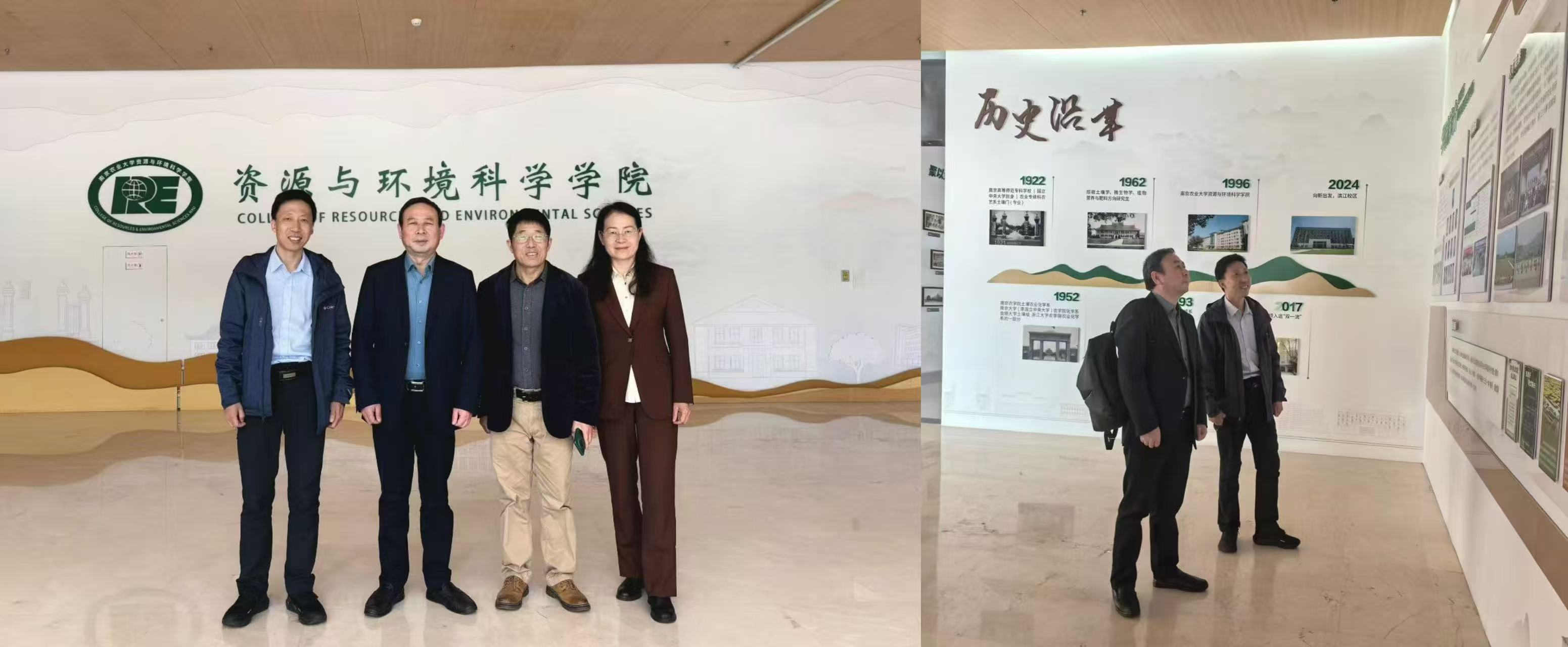
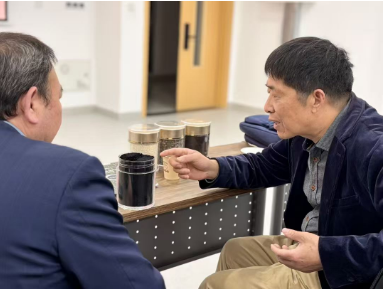
During the exchange session, Mr. Zhang Shoujun, Chairman of Debo Energy, held cordial discussions with Professor Pan Genxing from the College of Resources and Environmental Sciences at Nanjing Agricultural University, along with other experts and scholars. The two sides engaged in in-depth discussions covering a range of topics, including cutting-edge technologies in the field of biomass energy, industrial applications, and future directions for collaboration. Both parties reached a consensus that Debo Energy’s technical capabilities align perfectly with Nanjing Agricultural University’s research strengths, promising broad prospects for future cooperation.
Technology-Driven: Empowering Green Development
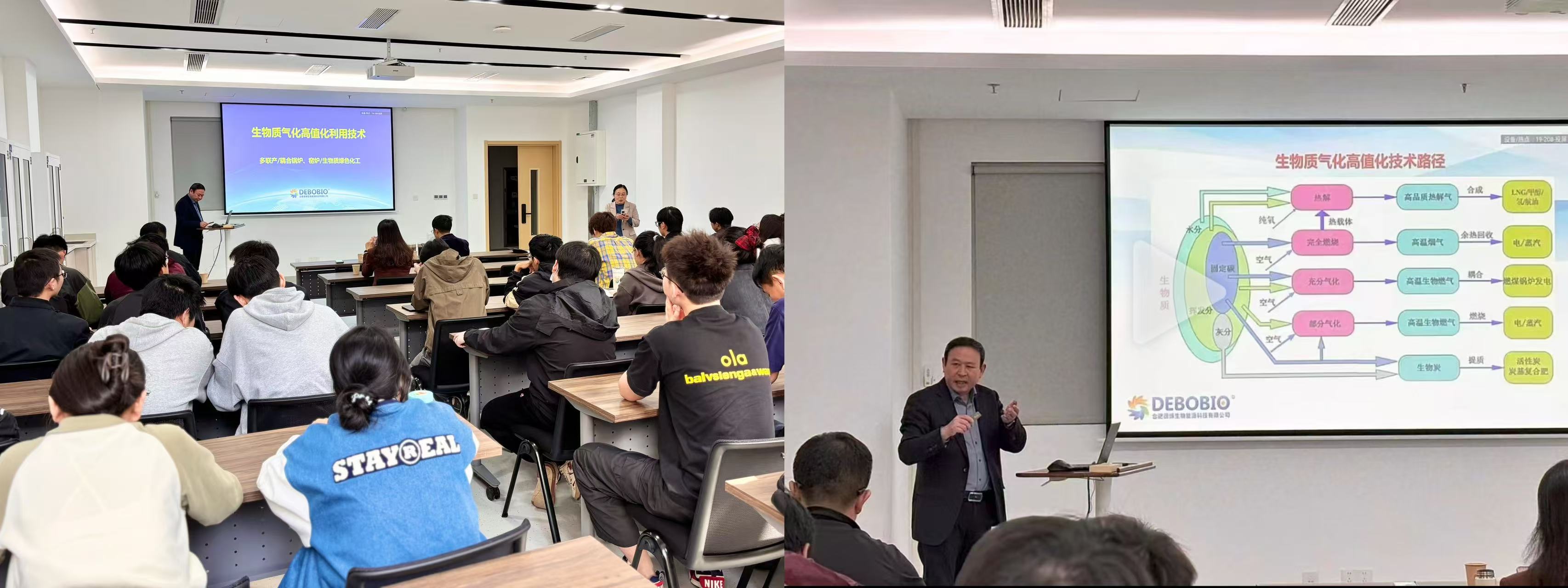
In his academic presentation, Chairman Zhang Shoujun systematically elucidated how Debo Energy—through its proprietary biomass gasification technology—transforms agricultural waste, such as crop straw, from an "ecological burden" into "green productivity." He highlighted that Debo Energy's core technological strategy is primarily manifested in three key areas: first, utilizing integrated carbon-gas co-production technology to achieve multi-generation of heat, cooling, and electricity from biomass; second, employing coupling technologies to serve as substitutes for traditional fossil fuels such as coal, petroleum, and natural gas; and third, leveraging biomass gasification, shift reaction, and synthesis technologies to produce high-value products, including green hydrogen, methanol, aviation fuel, and LNG. These technologies not only effectively address the environmental pollution issues associated with agricultural waste but also establish an ecological cycle characterized by the flow of "resources—products—regeneration."
 Global Practices: Demonstrating Technical Prowess
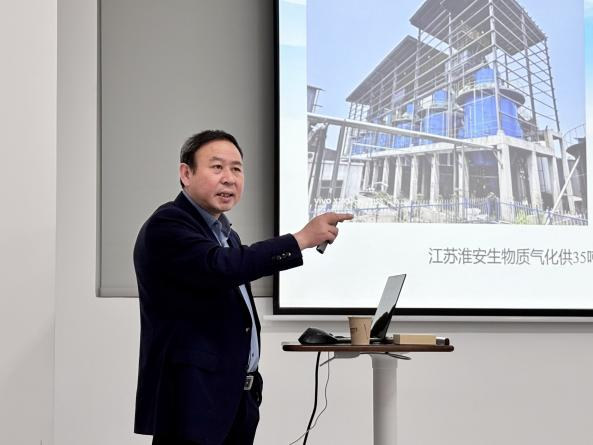
Chairman Zhang Shoujun also shared numerous successful case studies from Debo Energy’s global operations. These projects serve as compelling validation of the reliability and adaptability of Debo Energy’s technology, showcasing the company’s outstanding achievements in advancing the integration of industry, agriculture, and energy.
Integrating Industry and R&D to Jointly Drive Industrial Upgrading
In his report, Chairman Zhang Shoujun placed special emphasis on the critical importance of the deep integration of industry, academia, research, and application. He noted that Debo Energy’s gasification technology offers diversified solutions—encompassing carbon, heat, cooling, and electricity—for the resource utilization of agricultural waste; these solutions serve as a perfect complement to the research achievements of Nanjing Agricultural University in fields such as straw incorporation into soil and carbon-based fertilizers. Debo Energy looks forward to joining forces with Nanjing Agricultural University to jointly tackle key bottlenecks in industrialization, thereby transforming more advanced technologies into tangible productive forces that serve agriculture, benefit rural communities, and facilitate industrial decarbonization.
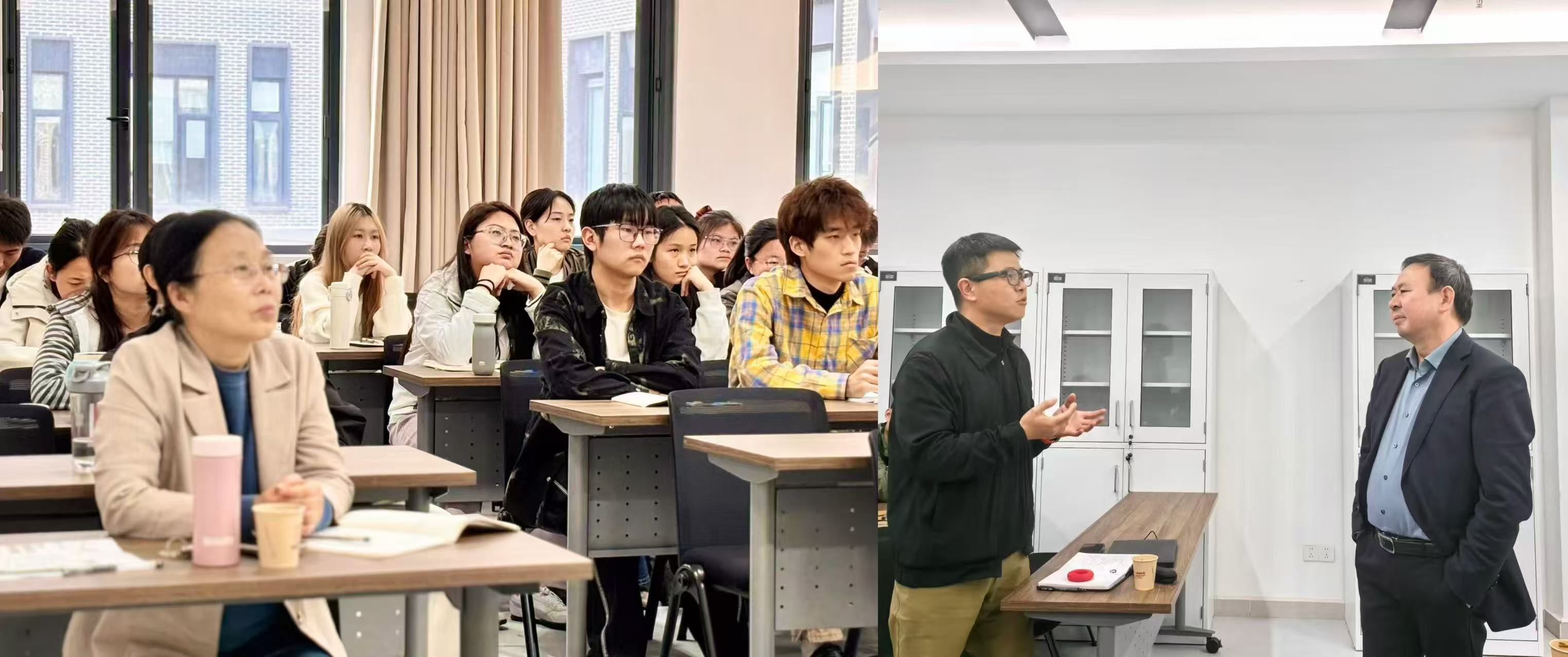 Concluding his presentation, Chairman Zhang Shoujun summarized Debo Energy’s mission and vision in three key statements: First—to Technology: Biomass gasification transcends the mere conversion of energy from crop residues; it embodies the very logic of the agricultural ecological cycle—shifting from a linear path of "resource-product-waste" to a circular loop of "resource-product-regeneration." Second—to Industry: Our generation stands at the very nexus where agrarian civilization meets industrial civilization. The "Integration of Industry, Agriculture, and Energy" is not a multiple-choice question, but a mandatory one—it answers the critical challenge of how to revitalize rural areas through energy autonomy, and how to restore agricultural competitiveness through a green transition. Third—to Everyone Present: On the journey toward achieving the "Dual Carbon" goals, our greatest resource lies not in distant lands, but right beneath our feet—in the soil itself; and our greatest opportunity lies not elsewhere, but in the rebirth of that which was once deemed "useless."
This exchange event served to showcase Debo Energy’s leading-edge technologies and its sense of corporate responsibility within the biomass energy sector. Moving forward, Debo Energy will continue to deepen its collaboration with research institutions—such as Nanjing Agricultural University—to jointly drive innovative development within the biomass energy industry and contribute its strength toward the realization of the "Dual Carbon" goals.